

HEROSE UK details critical engineering controls to manage oxygen depletion risks in industrial gas facilities

When handling cryogenic liquids, undetected system leaks or unregulated gas discharges can rapidly displace atmospheric oxygen. HEROSE UK highlights the technical safeguards and recognised industry standards required to protect industrial working environments.
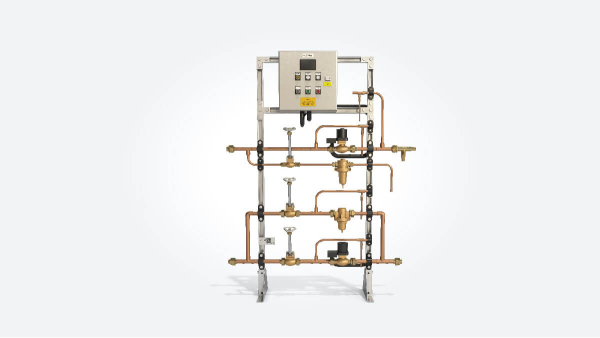
Low Pressure Liquid Control Panel
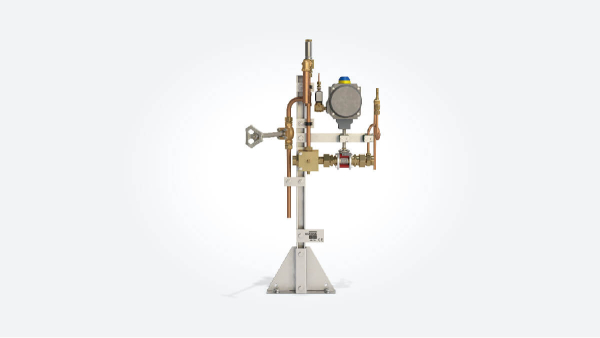
Cryogenic ESOV (Non-Continuous Use)
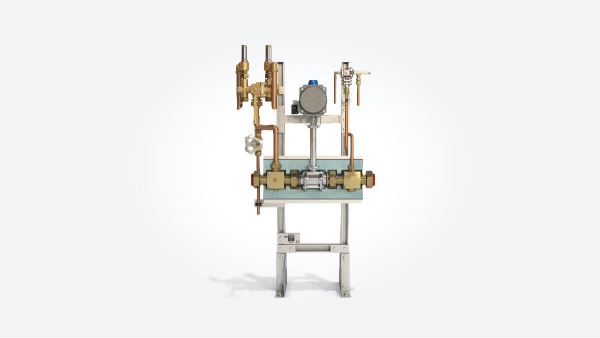
Cryogenic ESOV (Continuous Use)
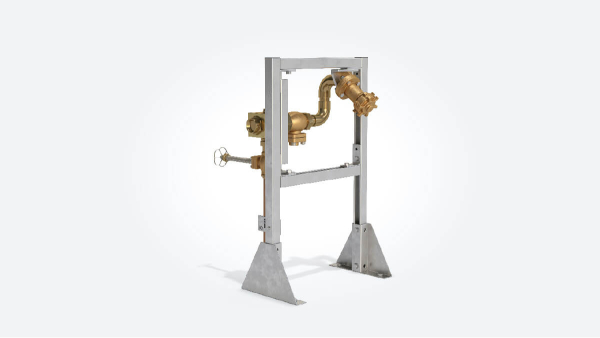
Tanker Inlet Filter
Managing atmospheric safety and regulatory compliance within industrial gas environments remains a core priority for the sector. When working with industrial gases, particularly cryogenic liquids, unexpected system leaks or unregulated gas discharges introduce a serious risk of oxygen depletion in enclosed working spaces. Because these gases are colourless and odourless, maintaining strict technical control over storage and distribution infrastructure is critical to safeguarding facility personnel.
Liquid nitrogen leaks represent a primary cause of oxygen-deficient atmospheres, while unregulated discharges of other commonly used cryogenic gases, such as liquid carbon dioxide, also pose a danger. Oxygen depletion is responsible for a number of injuries and deaths every year.
To manage these operational hazards, industry standards and guidance, including CGA P-76 and SA-41, with EIGA 174 and 044, set out the engineering requirements for the safe installation and use of cryogenic food freezing equipment and the hazards of oxygen deficient atmospheres. These frameworks highlight the need for proper education, training and technology to safeguard personnel and ensure compliant working environments.
To support facilities in meeting these requirements, HEROSE UK’s design and engineering teams have spent the last 15 years developing modular solutions specifically designed to address critical safety issues such as oxygen depletion. These systems can integrate with site safety networks to help isolate supplies, control pressures and reduce the risk of uncontrolled gas release.
Keith Stewart, Managing Director at HEROSE UK said: "Addressing a risk as invisible as oxygen depletion demands specialised engineering solutions rather than standard, off-the-shelf components. Adhering to recognised standards ensures that safety protocols are structurally embedded into the facility's design."
HEROSE UK's technical safety modules are configured across three primary areas:
• Cryogenic Solutions:
These safety-first modules include a range of Emergency Shut-Off Valves (ESOVs; fail-closed type) for installation on mini-bulk and bulk cryogenic liquid nitrogen and liquid carbon dioxide supply lines.
These ESOV modules are designed to isolate the cryogenic supply line when triggered. The fail closed electro-pneumatically operated actuated ball valve installed next to the cryogenic storage vessel requires a control signal from the building internal gas detection system to operate, along with a clean & dry pneumatic supply to the solenoid valve included on the Module assembly. It is possible to use cryogenic vessel ‘top gas’ as the pneumatic source, so the system is self-contained.
This system prevents both gradual and catastrophic leaks by isolating the cryogenic liquid supply at its source, so that only the contents of the damaged liquid nitrogen pipe will leak into the building, minimising danger and damage.
Solutions include options for continuous supply and batch/shift operations to provide the necessary flexibility and ensure safe and compliant working environments. These requirements can be discussed and agreed with the HEROSE UK engineering team in detail before installation
• Low Pressure Liquid Control Panel Modules:
This range of panel assemblies is used with ambient pressure raising vaporisers on bulk cryogenic liquid nitrogen storage vessels and can be easily adjusted to suit site operating conditions.
The panel provides accurate cryogenic liquid supply pressure to the process through electronic control of both cryogenic vessel pressure raising and top gas venting to the atmosphere through a silencer - this helps to deliver consistent product freeze quality. Additional mechanical backup systems are also provided in case of power failure/emergency to allow production to continue without any interruption.
• Tanker Inlet Filter Modules:
These filter assemblies are designed to be installed on the tanker filling line and include a hose purge before cryogenic liquid delivery.
The module strainer (100-micron sinter bronze as standard) helps protect the vessel from contamination. A product-specific tanker hose coupling is included, preventing cross-filling of the wrong liquid product.
Options are available for both CGA and EIGA coupling types. Additional module options include a cryogenic non-return valve to prevent back-feed into the delivery tanker, as well as thermal relief protection. Remote fill point designs are also available, providing fill line isolation, purge and thermal relief protection.
• Cryogenic Liquid Decant Modules :
These assemblies are designed to allow safe & controlled decanting of cryogenic liquid nitrogen from a bulk storage vessel into smaller pressurised vessels or non-pressurised cryogenic containers; typically used in Universities or labs for sample freezing. Herose works closely with our trusted partners to offer solutions for both non-pressurised and pressurised dewar filling. Additional controls can be offered with these system types to help to deliver safe and compliant installations for the end user based on the process requirements.
Ultimately, maintaining a resilient safety posture against low-oxygen hazards requires continuously matching facility infrastructure with recognised engineering standards. Industrial operators are encouraged to regularly audit their cryogenic distribution lines and work alongside technical specialists to ensure their containment and isolation systems remain fully compliant.
For more information on oxygen depletion mitigation or to consult with the engineering team on modular cryogenic solutions, visit https://www.herose.co.uk or contact HEROSE UK directly.
Barry Stewart
HEROSE UK
email us here
Visit us on social media:
LinkedIn
Legal Disclaimer:
EIN Presswire provides this news content "as is" without warranty of any kind. We do not accept any responsibility or liability for the accuracy, content, images, videos, licenses, completeness, legality, or reliability of the information contained in this article. If you have any complaints or copyright issues related to this article, kindly contact the author above.
