

ABIS Highlights Repeatability in Automotive Injection Molding
News originally published by
EIN Presswire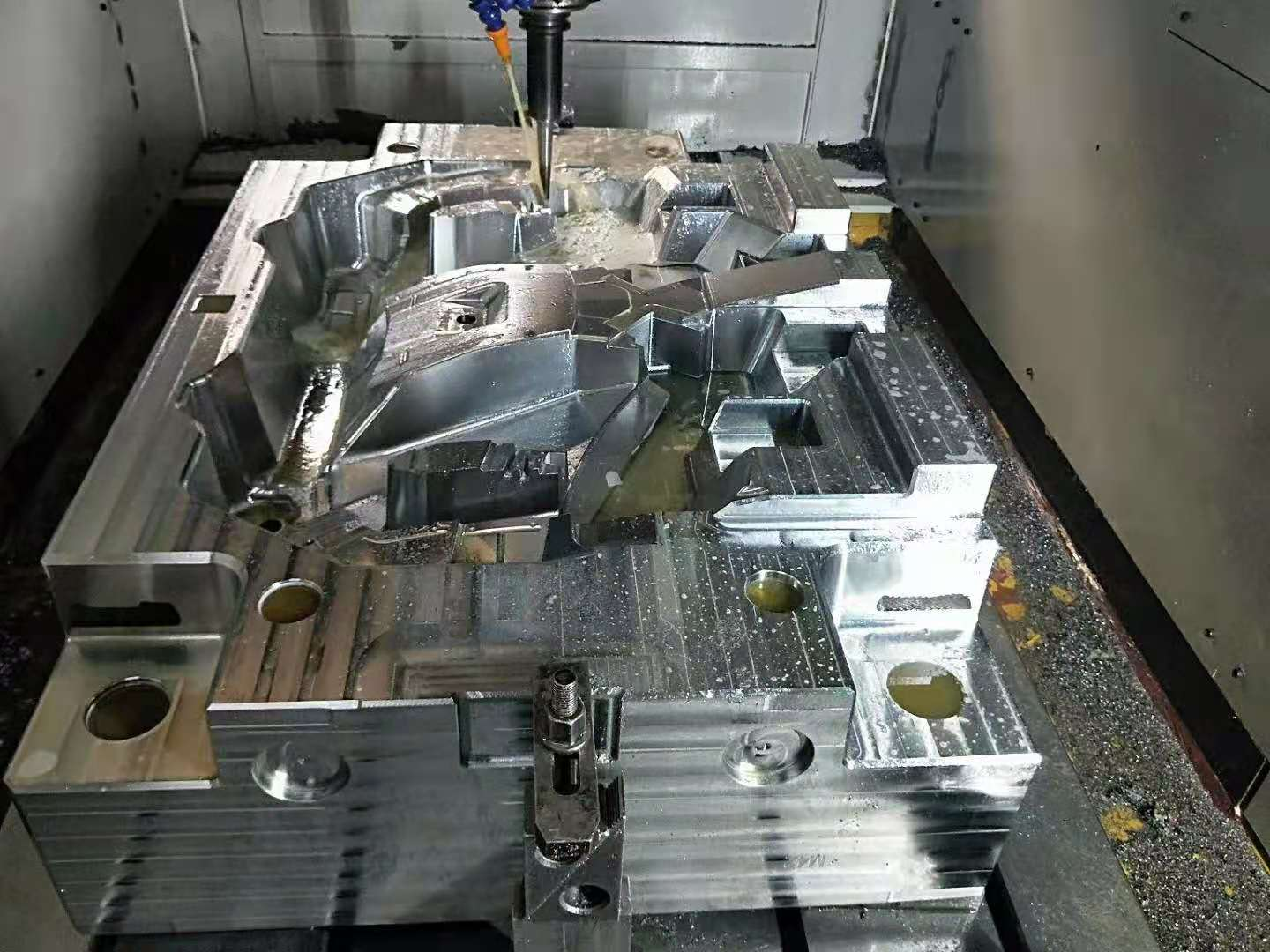
Automotive & EV Injection Molds

Automotive exterior panel molds

Mexico Mold Exhibition3

Mold Factory

Mexico Mold Exhibition5
A practical look at EV and trim tooling connects component requirements, material decisions and sample approval with the demands of repeat production.
SHENZHEN, GUANG-DONG, CHINA, November 19, 2026 /EINPresswire.com/ -- A successful first sample is an important milestone in automotive product development. The commercial value of a mold also depends on what follows: components that can be assessed against the same requirements in later batches, after approved changes and, where applicable, at the customer’s production site.ABIS Mold is highlighting that connection through its automotive tooling resource, which covers electric vehicle components, exterior housings and interior trim. The Shenzhen manufacturer presents mold supply, sampling and molded-part production as scopes to define around the actual component.
For engineering and purchasing teams, the underlying question is how the project will carry its requirements from the initial drawing into continuing supply. Automotive injection molding brings tooling, material behavior, process decisions and inspection into that discussion.
The practical opportunity is to make those relationships visible before the project reaches production approval. A clearly defined manufacturing brief gives the supplier a basis for its proposal and gives the customer a reference for evaluating what happens next.
The Next Order Begins with the Original Project Brief
An initial quotation usually answers an immediate purchasing need. A more complete review also considers the next order, the likely development changes and the intended location of production.
A buyer ordering an export mold may need the tool to operate at a nominated receiving factory. A buyer ordering finished plastic components may instead expect the supplier to manage repeat manufacturing against an approved specification.
Those arrangements create different handover requirements. The project team can identify which records the customer needs, which operating responsibilities the supplier will retain and how future changes will be communicated.
This is useful when several departments share responsibility for the component. Engineering can define the product, quality staff can identify the evidence needed for acceptance, and purchasing can ensure that the quotation covers the agreed deliverables.
A plastic injection molding service becomes easier to evaluate when its proposed role is stated in those practical terms.
EV Charging Interfaces Make Repeatability a Functional Question
For an EV charging connector mold, a useful review begins with the interaction between the plastic component and its mating assembly. The drawing establishes the requirements, while an assembly review helps explain how individual features contribute to the intended function.
Consider a hypothetical connector shell that meets its overall dimensions but interferes with a neighboring release feature. The example illustrates why a project may need both dimensional evidence and an agreed check of the assembled arrangement.
The team can identify the relevant mating parts, specify the configuration used for approval and preserve that reference for later sample comparisons. This makes it easier to investigate a concern without relying on recollection of how an earlier sample behaved.
An EV charging port housing mold raises a related question at the vehicle interface. The housing may be reviewed together with adjacent components so that the customer can assess the proposed installation as a whole.
For EV battery pack plastic parts, the same method begins with the specific component and its assigned function within the assembly. A protective cover and a locating component can require different evidence.
A new energy vehicle parts mold proposal is more informative when it explains which of these checks are included and which depend on customer-supplied components or separate validation work.
Visible Parts Need a Reference That Survives the Approval Meeting
Appearance requirements also need continuity. Once a sample has been accepted, the project should retain a usable record of what was approved and how the comparison was made.
For a car door handle mold, this may involve a reference component, an appearance specification and the agreed condition in which the part is assessed. The team can identify whether the approval concerns the molded surface, a subsequent finish or the completed assembly.
A car mirror housing mold can involve a similar review of the relationship between the shell and neighboring parts. Recording the assembly used during approval gives later discussions a common starting point.
Automotive interior trim plastic parts present another coordination task because several surfaces may be seen together. A console surround that is acceptable on its own may still need assessment beside the adjoining panel.
For a car interior plastic parts mold project, the manufacturing brief can therefore identify the relevant appearance references and the point at which the customer will evaluate the finished condition. This connects styling decisions with the supplier’s actual delivery responsibility.
Material Control Gives Later Results Meaning
A material specification is part of the approved manufacturing definition. The project record should identify the grade, any agreed color or reinforcement designation and the information used to approve that selection.
Polyamide provides a useful illustration. BASF’s Ultramid technical literature describes how moisture absorption affects dimensional behavior and mechanical properties. The condition of a sample can therefore matter when engineering teams compare measurements or performance results.
For automotive injection molding, the practical response is to agree how samples will be prepared, identified and assessed. A later comparison becomes more meaningful when the team can establish whether the relevant conditions are comparable.
This also helps when a material alternative is proposed. The supplier can identify the reason for the change, and the design owner can decide which evidence is needed before accepting it.
A purchasing adjustment should reach the people responsible for the product specification. Keeping that decision visible supports a clearer connection between the material ordered, the samples approved and the parts subsequently supplied.
The objective is a manufacturing record that remains useful when questions arise months after the initial tooling discussion.
A Mold and Its Operating Conditions Belong in the Same Conversation
The shape machined into a mold is one part of the manufacturing system. The resulting plastic component is also influenced by material behavior and the conditions under which it is molded.
Autodesk’s technical guidance identifies nonuniform cooling and inconsistent shrinkage among the causes of warpage. It also discusses the influence of material, process and machine variations.
That relationship gives buyers a practical subject for an engineering review. The supplier can explain how the proposed tooling and process approach relate to the component’s important features, rather than presenting an equipment list as the complete answer.
The discussion can also identify which assumptions need confirmation during the trial. If the customer expects production at a different facility, the team can consider what information the receiving manufacturer will need to evaluate the tool.
For automotive injection molding projects, this encourages a handover based on documented requirements and observed trial results. It gives both parties a clearer way to discuss a proposed change in the manufacturing arrangement.
Small Parts Can Reveal Gaps in the Approval Plan
Small automotive plastic parts deserve a place in this review. A clip, latch or spacer may be inexpensive individually, yet its approval still needs to reflect its role within the assembly.
Consider a clip that is used at several positions. The team can identify the mating features, the intended installation sequence and the checks that will support acceptance. A common sample arrangement can then be retained for subsequent reviews where appropriate.
If several cavities are used to produce the part, the buyer can discuss how the inspection results and sample identities will be organized. This makes the evidence easier to interpret when the supplier and customer investigate a particular observation.
The value is practical: a concern can be connected to an identifiable sample, drawing revision and manufacturing record.
A new energy vehicle plastic parts manufacturer under consideration can demonstrate project understanding by explaining how its proposed approval plan addresses these details for the actual component.
Inspection Quality Is Part of Product Quality
An inspection report helps a customer make a decision. Its usefulness depends on whether the measurement method is appropriate and whether the results can be interpreted consistently.
AIAG’s Measurement Systems Analysis guidance addresses the quality of measurement systems and their contribution to manufacturing decisions. This provides a useful foundation for discussing how important characteristics will be checked.
A project team can identify the features that matter, agree the reference datums and confirm the method used to evaluate them. Where a fixture is needed, its role in locating or supporting the component should be understood by the parties reviewing the results.
The same thinking applies to functional checks. A supplier and customer may reach different conclusions if they use different mating components or interpret the test sequence differently.
For a plastic injection molding service, a clear inspection proposal helps show how the manufacturing work will be evaluated. For the buyer, it provides a basis for comparing the evidence offered by different suppliers.
Trial Samples Should Lead to a Defined Release Decision
The first mold trial creates an opportunity to compare the proposed manufacturing approach with physical results. The review becomes more useful when the team knows which decisions the samples are intended to support.
An early trial might identify adjustments, support an assembly check or provide an appearance reference. The project should record the drawing revision, material and sample identity associated with each result.
Where a customer requires the Production Part Approval Process, or PPAP, the relevant submission expectations belong in the project scope. AIAG describes PPAP as an industry process for demonstrating that engineering requirements can be consistently met during actual production.
A project using another approval arrangement still benefits from a defined release package. The customer can identify which records and checks are needed before authorizing the next stage.
This gives automotive injection molding development a visible path from trial observations to approved supply. Open actions can be assigned, reviewed and closed against the requirements that generated them.
Engineering Changes Need a Traceable Starting Point
A design change is easier to evaluate when the previous approved condition is clear. The project record can identify what is changing and which earlier approvals may need to be revisited.
For example, a customer could request a modification to a fastening feature after a sample review. The supplier can explain the proposed tooling work, while the product team assesses the consequences for the surrounding assembly.
The decision can then include the expected sampling, inspection, timing and commercial effects. This gives the customer’s departments a common proposal to review.
The same method can be used for a proposed change in material or manufacturing location. The responsible parties can identify the evidence required before accepting the revised arrangement.
For buyers, this makes change control a practical part of the supplier relationship. It preserves the reasoning behind the current specification and helps later teams understand how the project reached its released condition.
Supplier Qualification Should Connect Credentials with Project Evidence
Company background provides a useful starting point for supplier assessment. The project review then needs to establish how the proposed work will meet the customer’s particular requirements.
ABIS’s company profile reports ISO 9001 certification and describes integrated mold making, injection molding and assembly services. Buyers can request current documentation and review its scope during qualification.
Where a vehicle program specifies additional supplier qualifications, documentation or customer approval requirements, those conditions should be stated in the inquiry. The supplier’s response can identify the evidence available and the deliverables included in its proposal.
This keeps the qualification discussion connected to the actual purchasing decision. It also allows the buyer to evaluate company credentials alongside relevant examples, engineering feedback and the proposed approval plan.
Related Experience in Custom Drone Parts Molds
ABIS also presents Custom Drone Parts Molds for UAV plastic components. The related resource covers housings, frame components and enclosures, with support from manufacturability review through sampling and repeat production.
The useful connection with automotive projects is the method of organizing engineering information. Both types of project can benefit from a clear component definition, relevant assembly references and a documented basis for sample approval.
A company sourcing across these sectors can use a consistent purchasing framework while retaining the technical requirements and validation plan appropriate to each product.
This gives multidisciplinary buyers another subject to explore when reviewing the supplier’s proposed scope and communication approach.
About ABIS Mold
ABIS Mold was established in Shenzhen, China, in 1996, according to its company profile. The business describes capabilities spanning design and engineering support, mold manufacturing, injection molding and product assembly.
Its automotive resource brings together application information and project photographs for manufacturers considering tooling or molded-part supply. The proposed scope is reviewed against the customer’s component, technical requirements and production needs.
For a new project, this information provides a starting point for a discussion with the company’s tooling team.
Preparing a Brief for Continuing Supply
Manufacturers considering ABIS can prepare an inquiry that describes both the next build and the intended supply arrangement. Available drawings, the material specification, expected quantities and the customer’s approval requirements give the supplier a useful basis for review.
The brief can also identify who will operate the mold, which adjoining components are available for sample checks and how engineering changes will be authorized.
Questions that remain open can be listed alongside the confirmed requirements. This allows the supplier to distinguish a request for engineering input from a request for a final production commitment.
ABIS Other Business Information
Information regarding automotive injection molding can be found at the following URL:https://www.abismould.com/automotive-injection-molding.html
Information regarding custom drone parts molds can be found at the following URL:https://www.abismould.com/drone-injection-molding.html
Information regarding the sleep aid device manufacturer can be found at the following URL:https://www.abislife.com/sleep-aid-device-for-adults/
Information regarding the double shot injection molding can be found at the following URL:https://www.abismould.com/double-shot-injection-molding-2K-injection-molding.html
Kelly
ABIS Mold Technology Co., Ltd.
+86 136 8263 6597
mike@abismold.com
Visit us on social media:
Facebook
YouTube
ABIS Mold Manufacturing | Precision Tooling, Quality & Global Solutions #B2B #ABIS
Legal Disclaimer:
EIN Presswire provides this news content "as is" without warranty of any kind. We do not accept any responsibility or liability for the accuracy, content, images, videos, licenses, completeness, legality, or reliability of the information contained in this article. If you have any complaints or copyright issues related to this article, kindly contact the author above.
